Culture theorist, literary critic, and published author Gabriel N Elizondo, invites your community beyond the pages of their favorite works and into the craft of how they were written.
Learn why romantasy is so intoxicating, why villains are so fun to hate, how the details of massive fictional worlds are crafted, how stories shape readers, and how writers create the very reality in which we live.

Gabriel is a culture theorist, published author, poet, and literary critic who specializes in the study of power and institutions. He attended Central Washington University where he graduated summa cum laude with a degree in Creative and Professional Writing with a specialization in Culture Studies in Literary Criticism.
His expertise in power dynamics, institutions, identity, and representation form the foundation of a comprehensive perspective on how narratives shape culture in communities.
An extensive background in writing, directing, acting, composing, and editing provides an additional level of insight on how academic theories meet the real world of storytelling.
An experienced speaker and lecturer, his approach to education is a mixture of accessible concepts, a bit of humor, and conversation-driven topics that leave attendees inspired to write the next page life.
Who defines what love looks like and how do we define it ourselves?
This three-part series explores the reciprocal relationship between romance, love, and the way culture shapes a lovers identity. Gabriel presents how stories influence our expectations of love, how fictional relationships allow us to explore desire and cultural boundaries, and how evolving representations of romance challenge our understanding of intimacy, identity, and human connection.
This opening conversation establishes how cultural understanding of affection, intimacy, commitment, and romantic relationships form a point of reference for a reader. Attendees explore their own definitions of initmacy as Gabriel contrasts social representations of romance with the expectations we inherit from our families, communities, and societies.
Forbidden love, unequal power, moral ambiguity, and the attraction of the unattainable have long shaped some of literature's most compelling romantic narratives. But why do relationships that challenge our expectations sometimes become the ones we find most fascinating?
This final conversation examines how romantic narratives evolve through changing cultural expectations, literary conventions, and representations of identity and desire. Gabriel explores romance across historical and contemporary storytelling, revealing how romantic fiction can reveal new ways of seeing love in real life.

Are villains born, or do we create them?
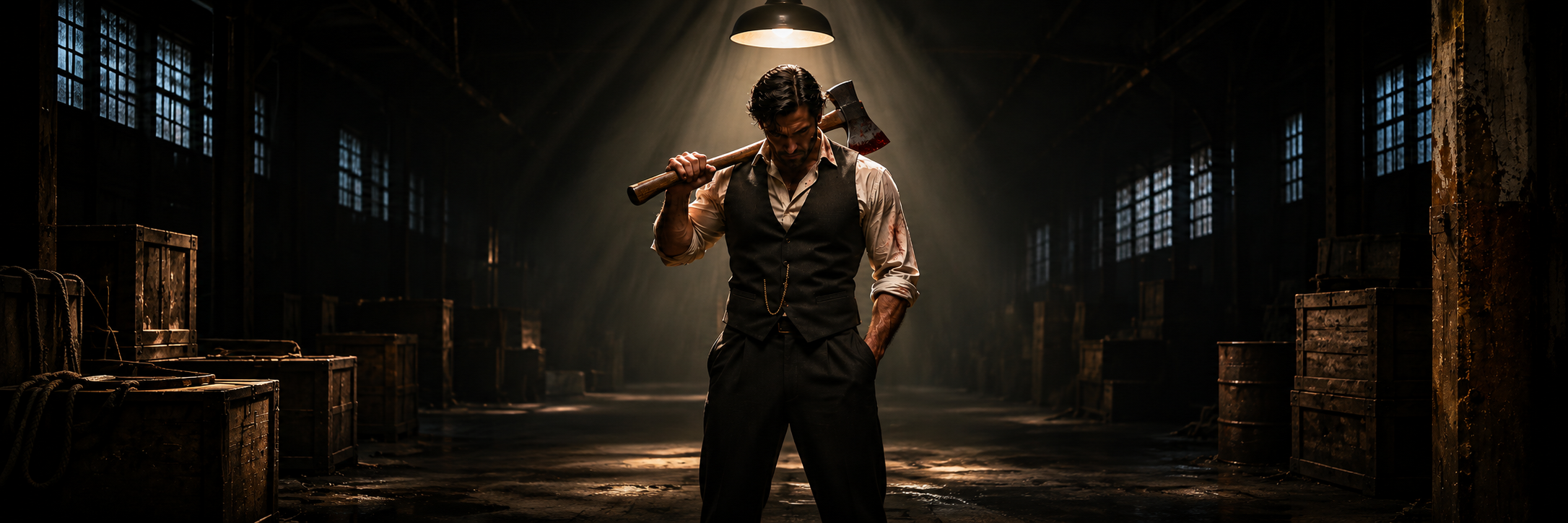
This three-part series explores how morality, psychology, and cultural influences shape the antagonists we encounter in fiction. Through mystery, thriller, horror, and other narrative genres, Gabriel examines how societies construct ideas of good and evil, how personal motivations influence character behavior, and how institutions and systems of power create conflict.
This opening conversation examines how literature reflects, reinforces, and challenges cultural definitions of morality. Through familiar antagonists and contrasting narrative perspectives, attendees explore how societies establish ideas of right and wrong, how those beliefs influence fictional conflicts, and why a character regarded as a villain in one cultural context might be understood differently in another.
What makes a villain compelling, recognizable, or even sympathetic? This evening explores how writers construct fictional antagonists through motivation, identity, personal experience, and psychological complexity. Gabriel reveals how narrative perspective influences our understanding of a character's behavior and why readers may find themselves identifying with, sympathizing with, or questioning the actions of characters they would otherwise condemn.
The final conversation examines how institutions, authority, and systems of power influence the creation and interpretation of fictional antagonists. Through narratives involving corruption, justice, rebellion, and social conflict, attendees consider how writers challenge established moral structures and explore the tensions between individual agency and institutional expectations. Readers are asked if villainy is determined by a character's actions, the institutions that define those actions, or the cultural perspectives through which we interpret them.

What makes an invented civilization feel real?
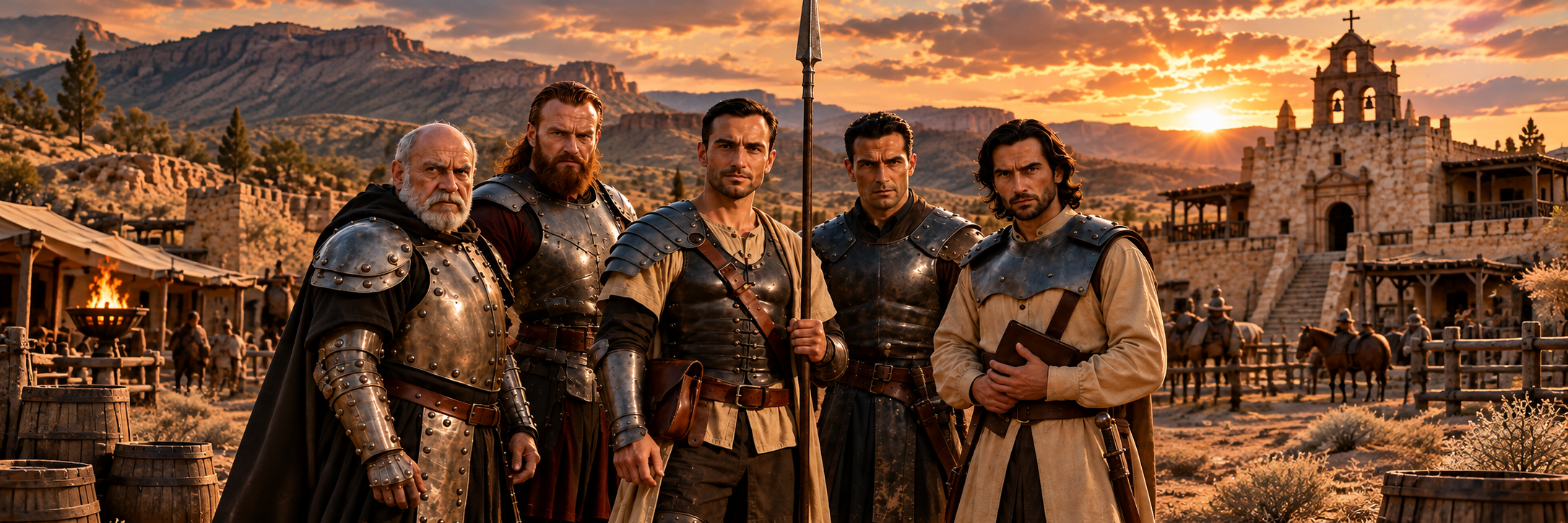
This three-part series explores how culture, institutions, and language give depth and authenticity to the imaginary worlds we encounter in fantasy and science fiction. Gabriel shares how beliefs, traditions, social structures, and collective histories influence the identities and behaviors of fictional characters. The series invites readers to consider how their own cultural experiences shape their understanding of invented civilizations and why certain imaginary worlds feel as complex, believable, and meaningful as the societies we inhabit.
In this opening conversation, Gabriel shares how writers construct believable fictional civilizations through shared beliefs, traditions, histories, and cultural identities. Attendees explore how cultural foundations influence character behavior, establish social expectations, and create a sense of belonging within imaginary societies like Lord of the Rings, Harry Potter, and Star Wars.
Who holds power in an imaginary world, and how does that authority shape the stories told within it? This conversation explores how writers use governments, religions, social hierarchies, and other institutions to establish the structures governing fictional societies. Gabriel examines how these systems influence individual identity, generate conflict, and determine the strengths and weaknesses characters and readers discover about themselves.
The final conversation examines how language, dialect, symbolism, and terminology establish cultural identity within fictional worlds. Through fantasy and science fiction narratives, Gabriel shows how writers use language to communicate shared histories, reinforce social distinctions, and express the beliefs and values of imagined societies. The discussion invites readers to consider how language influences their own worlds and how similar they are with those on the page.

How much of our identity actually belongs to us?
This three-part series explores how literature examines the relationship between cultural identity, memory, and the stories we tell about ourselves. Through literary and contemporary fiction, Gabriel shows how family, language, community, and social expectations influence the identities of fictional characters and the readers who interpret them. Together, Gabriel and attendees answer how fiction shapes their own personal narratives, identities, and provides the opportunity to reclaim their role as hero in the story of life.
This opening conversation examines how the formation of identity through family, community, cultural traditions, and social institutions create a narrative base of comparison for readers. Gabriel invites readers to consider how their own cultural experiences shape their interpretations of fictional identities and the tensions characters encounter between social expectations and individual autonomy.
How much of who we are depends on what we remember and the stories we construct from those memories? Gabriel explores how writers use memory, personal history, and narrative perspective to shape fictional identities. Attendees examine how characters interpret their past, how memories influence their understanding of themselves, and how storytelling transforms lived experiences into personal meaning.
The final conversation examines how literature explores the relationship between individual agency, cultural expectations, and personal transformation. Through narratives of belonging, displacement, self-discovery, and change, attendees consider how fictional characters negotiate the identities between story and their reader.

What happens when the people who lived history aren't the ones who recorded it?
This three-part series explores how history, cultural memory, and institutional power influence the stories we inherit and the narratives we construct about the past. Through historical fiction and other forms of storytelling, Gabriel reveals how historical accounts are shaped by those who preserve them, how oral traditions and collective memory sustain cultural identities, and how writers challenge established interpretations through fictional narratives. The series invites readers to consider whose perspectives are represented, whose experiences remain overlooked, and how literature can broaden our understanding of history, identity, and the societies that emerge from them.
Who determines which events become history, and whose perspectives are preserved? This opening conversation examines how literature explores the relationship between historical authority, cultural perspective, and the narratives societies construct about their past. Through historical fiction and contrasting accounts of historical events, attendees examine how institutions influence the recording and interpretation of history, how certain voices become privileged over others, and how writers expose the complexities of narratives often accepted as historical truth.
How do communities preserve their histories when their experiences are absent from the written record? This conversation explores how literature draws upon oral traditions, intergenerational knowledge, and cultural memory to recover perspectives overlooked or marginalized within dominant historical narratives. Attendees examine how writers represent ancestral knowledge, Indigenous histories, and cultural continuity, considering how storytelling preserves collective identity and challenges the assumption that recorded history is the only legitimate account of the past.
The final conversation examines the relationship between historical research, literary interpretation, and the responsibility of representing the past through fiction. Through narratives that reconstruct historical events, cultures, and experiences, attendees explore how writers navigate the boundaries between documented history and imaginative storytelling. The discussion invites readers to consider how historical fiction can challenge established narratives, introduce overlooked perspectives, and influence our understanding of the people and cultures whose experiences continue to shape the present.

Connect your community with a larger audience.
Offer your patrons the opportunity to sit down with Crown & Coil's founder for a warm, inclusive conversation on topics covered in the featured series.
Patrons contribute their own perspectives to a continuing literary discussion while giving you another way to celebrate the community you work so hard to cultivate.
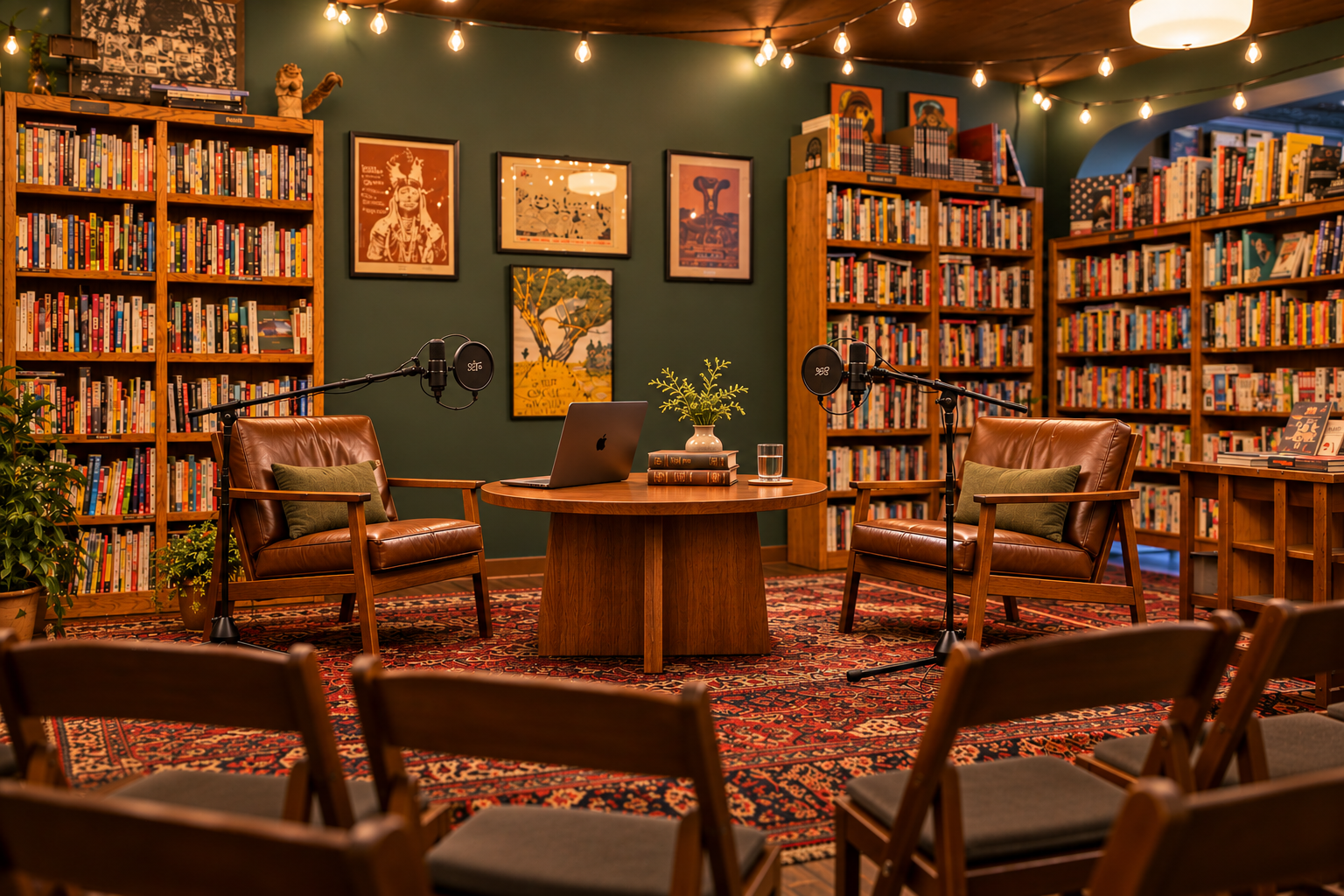
For participating venues, our podcast extends an evening of literary engagement into audio experience inside your four walls. Your venue becomes the backdrop for the episode's conversations while showcasing the atmosphere you work so hard to create.
Receive listener recognition, promotional exposure, and shareable content that continues to represent your literary community after the coversations conclude.
Participation is voluntary, and recording arrangements are coordinated with the host venue in advance. Crown & Coil manages production and editorial development, with episodes generally targeted for publication approximately four weeks after recording.
Return to Menu
Save time and payroll.
Crown & Coil Publishing matches Ingram wholesale pricing. Your stock arrives with Gabriel on the first night of the series.

Traditional wholesale available.
All titles are available through Ingram at standard wholesale industry discounts. There is a six to eight week advance order timeline.

Zero risk. All reward.
No required upfront purchases are required for series lectures and discussions.
Sign up to receive updates on new content and future events.